
From Grain to Glass: How Bourbon Is Really Made
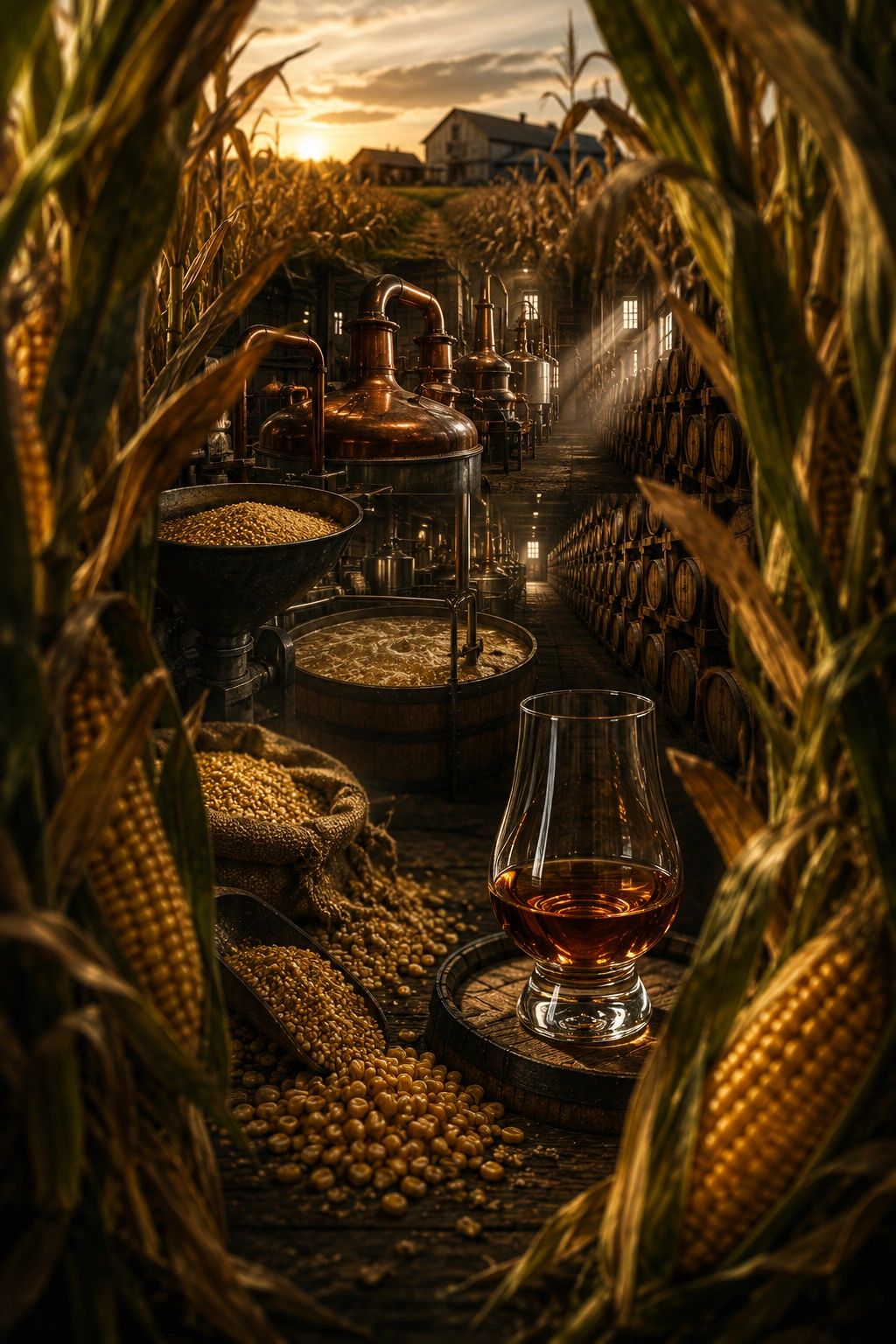
One of my favorite things to do on a bourbon tour is ask a simple question:
“What do you think bourbon is made from?”
Most people immediately answer, “Corn.”
And they’re right.
But they’re also missing most of the story.
Because bourbon isn’t just corn.
It’s grain, water, yeast, fire, wood, weather, time, and about a hundred decisions made by people who have spent their lives perfecting the process.
So let’s pull back the curtain and walk through exactly how bourbon goes from a field of grain to the glass sitting in front of you.
!
## First, What Makes Bourbon Bourbon?
Before we talk about how bourbon is made, let’s clear up one of the biggest misconceptions I hear.
Bourbon does not have to be made in Kentucky.
I know. Half of Kentucky just gasped.
While Kentucky produces the vast majority of the world’s bourbon, bourbon can legally be made anywhere in the United States.
To be called bourbon, it must follow a strict set of rules:
• It must be made in the United States.
• The grain recipe must contain at least 51 percent corn.
• It must be aged in a brand new charred oak barrel.
• It cannot enter the barrel above 125 proof.
• It cannot be distilled above 160 proof.
• It cannot contain additives, flavorings, or coloring.
• It must be bottled at a minimum of 80 proof.
• It must be aged within the United States — both distillation and aging must occur on U.S. soil.
Those rules help protect the integrity of America’s native spirit and ensure that whether you’re drinking bourbon from Kentucky, Texas, Colorado, or New York, it meets the same legal standards.
## It All Starts With a Recipe
Every distillery has a recipe.
In the bourbon world, we call that recipe a mash bill.
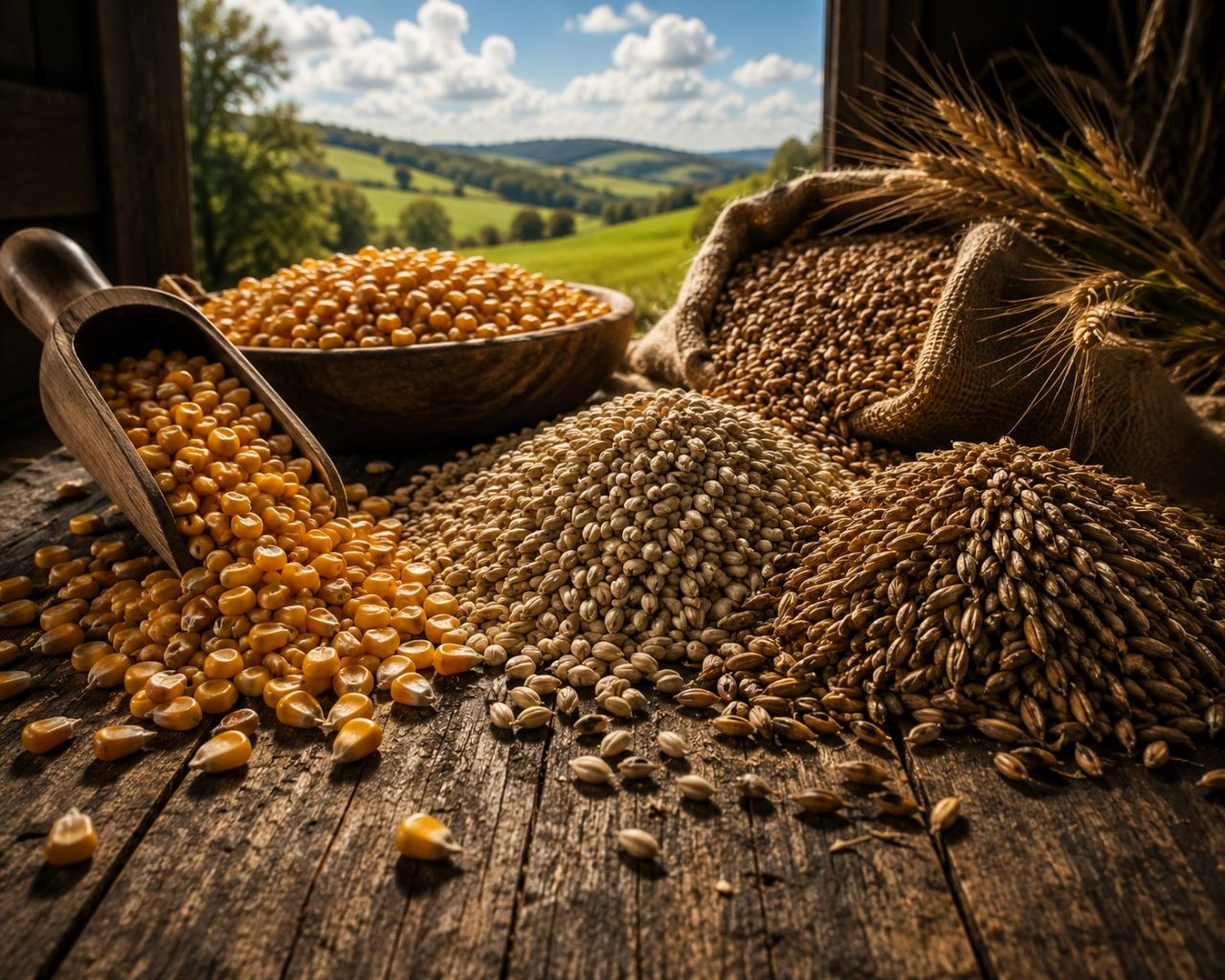
Corn is always the star of the show because bourbon requires at least 51 percent corn. Beyond that, distillers can put their own spin on things.
Some use rye, which adds spice and peppery notes.
Others use wheat, which tends to create a softer, sweeter bourbon.
Malted barley is usually included as well because it helps convert starches into fermentable sugars.
Think of it like baking a cake.
Two bakers can start with similar ingredients and end up with completely different results.
The same is true for bourbon.
## The Most Important Ingredient Might Surprise You
People love talking about Kentucky limestone water.
And yes, it absolutely played an important role in bourbon history.
Kentucky’s natural limestone shelf filters out iron and provides minerals that support the distillation process.
But if you ask many modern distillers what their most valuable ingredient is, they won’t say water.
They’ll say yeast.
Yeast is where flavor begins.
Every distillery guards its yeast strain like a family secret.
Some have been using the same strain for generations.
While visitors often focus on the barrel, many distillers will tell you the yeast is where their bourbon develops its personality.
## Fermentation: Where Bourbon Comes Alive
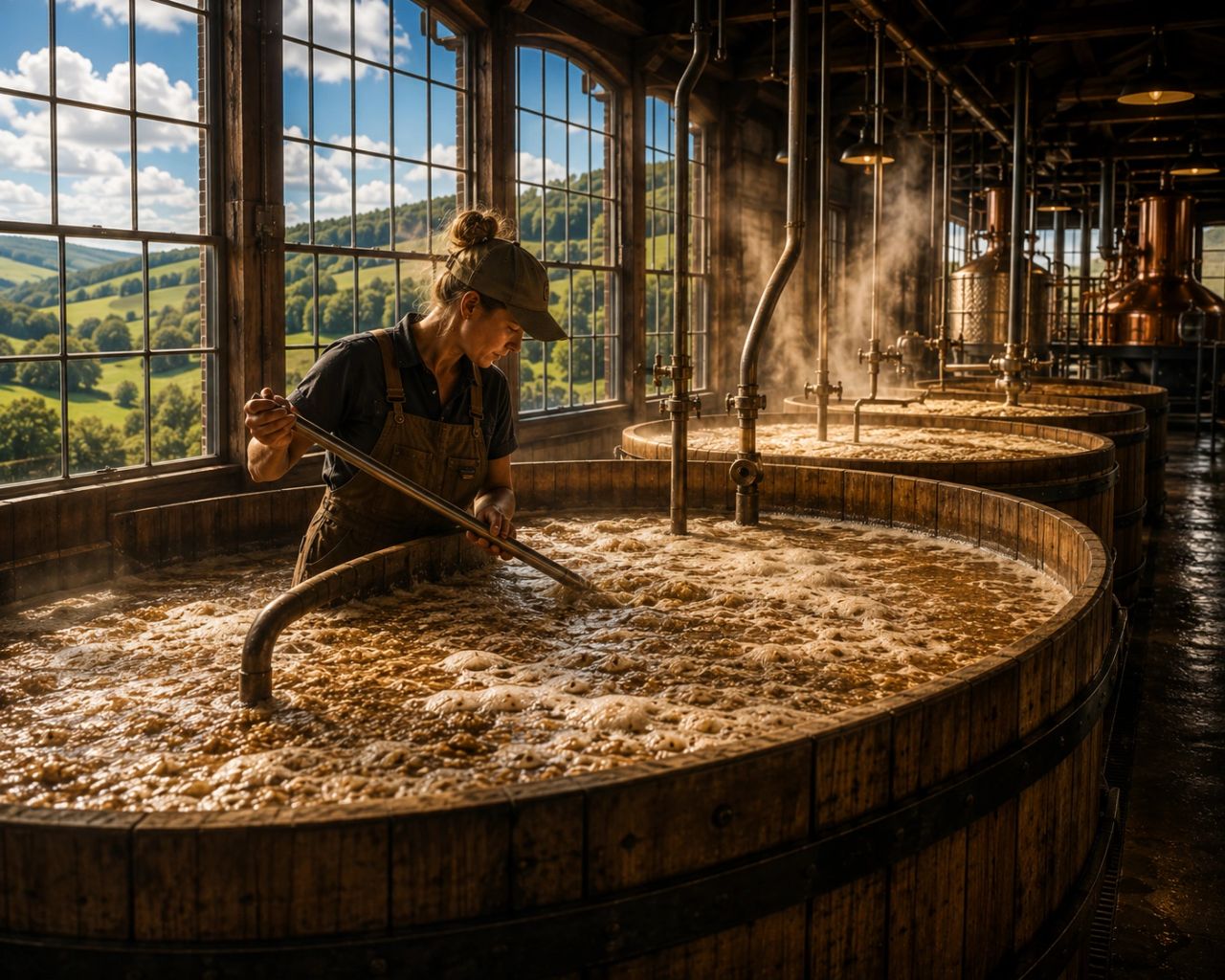
Once the grains are cooked and mixed with water, yeast is added.
That’s when the fun begins.
The yeast starts consuming sugars and producing alcohol.
If you’ve ever baked bread, brewed beer, or made wine, you’ve seen fermentation at work.
Many Kentucky distilleries use something called the sour mash process.
Despite the name, it doesn’t make the bourbon taste sour.
Instead, a portion of the spent mash from a previous batch is added to the next one.
Think of it as quality control.
It helps maintain consistency from batch to batch and creates an environment where the yeast can thrive.
## Distillation: Separating the Good Stuff
After fermentation, the liquid looks more like a beer than a bourbon.
Distillers often call it distiller’s beer.
Nobody is ordering it at a bar.
Trust me.
The alcohol content is low, and it doesn’t taste particularly great.
The next step is distillation.
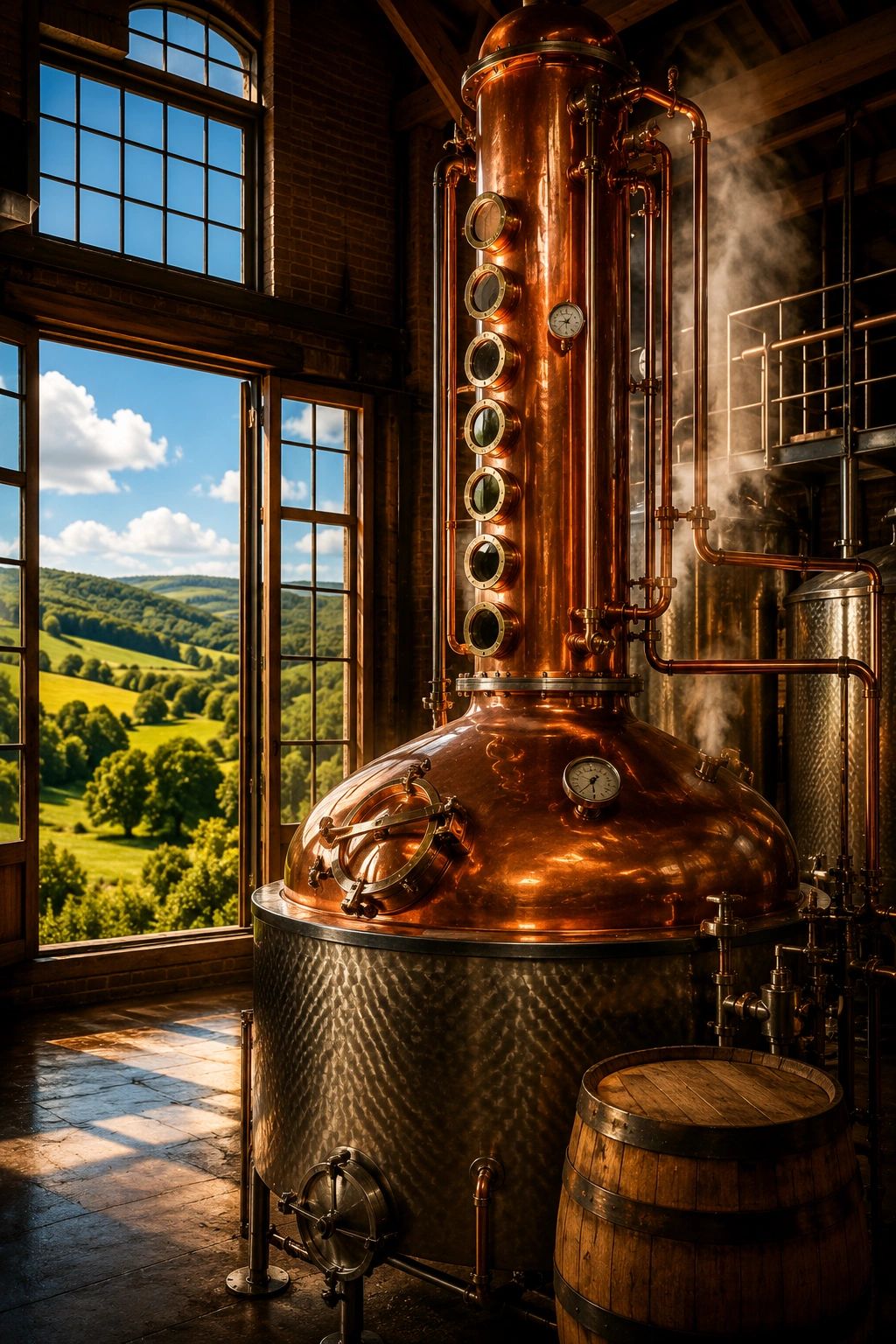
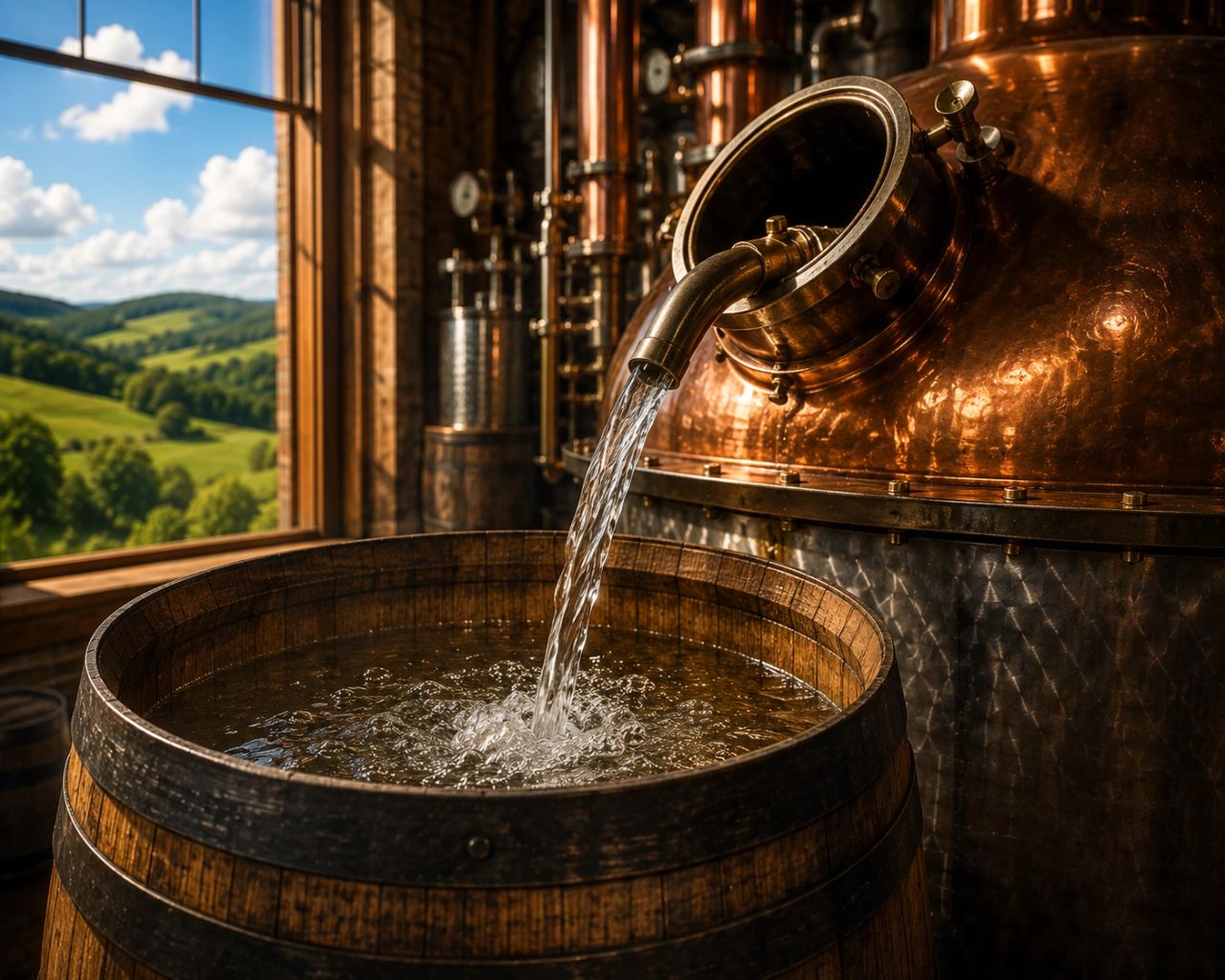
Most Kentucky distilleries use column stills, which continuously separate alcohol from water and other compounds.
The result is a clear spirit that contains the building blocks of bourbon but none of the color people associate with it.
This clear spirit is often called White Dog.
If you’ve never tasted White Dog before, imagine the grain flavors turned up to maximum volume.
It’s bold.
It’s hot.
It’s raw.
And it has absolutely no idea what it’s about to become.
## The Barrel Changes Everything
If there’s one thing I hope people take away from a bourbon tour, it’s this:
The barrel is not storage.
The barrel is an ingredient.
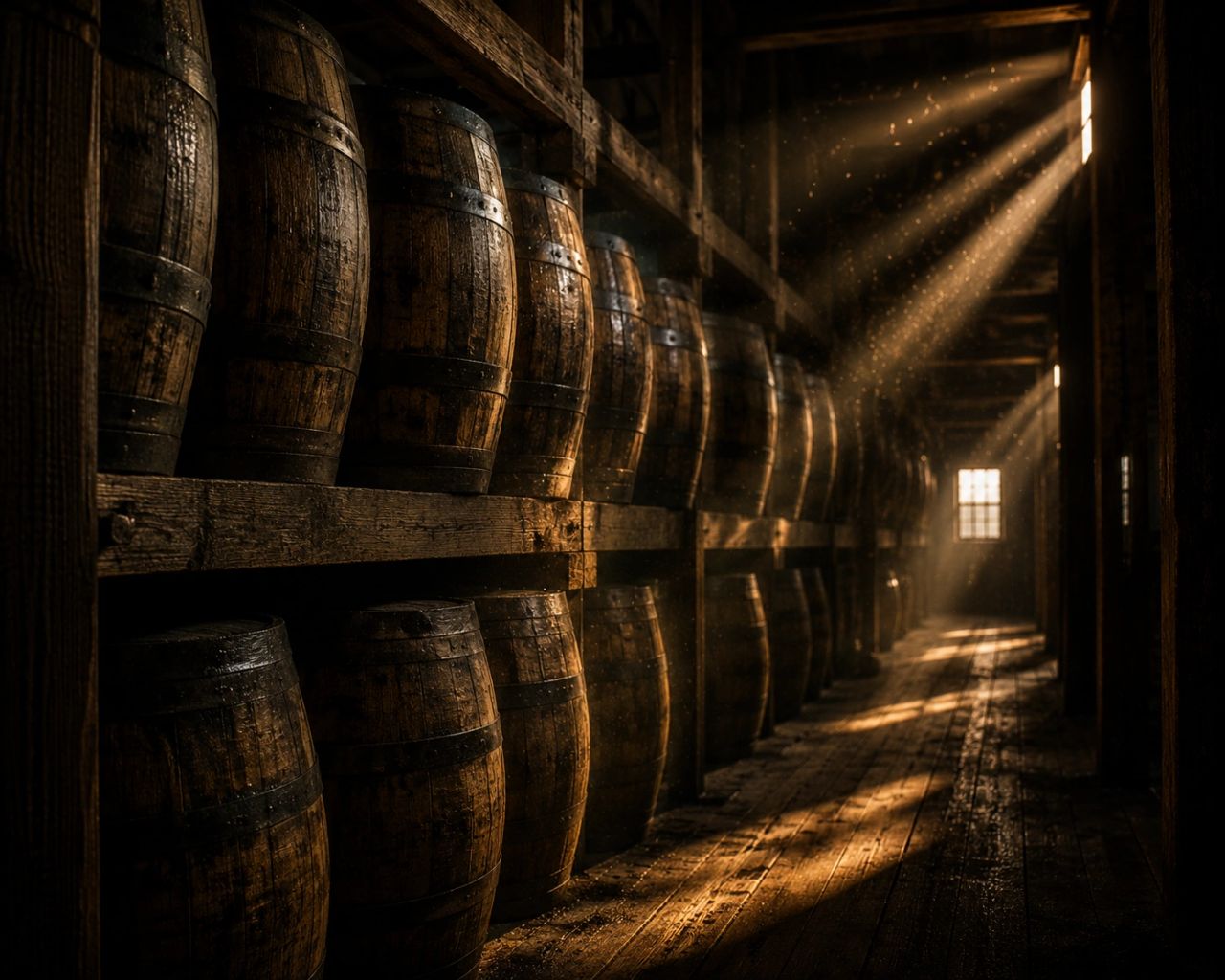
The clear spirit enters a brand new charred oak barrel and begins a transformation that can last years or even decades.
The inside of the barrel has been burned, creating a layer of charcoal and caramelized wood sugars.
As temperatures rise and fall through Kentucky’s seasons, the bourbon expands and contracts.
It pushes into the wood.
Then pulls back out.
Then does it again.
And again.
And again.
Each trip into the oak extracts flavor, color, and character.
That’s where those familiar notes of vanilla, caramel, baking spice, brown sugar, and toasted oak come from.
Not from additives.
Not from flavoring.
From the wood itself.
## The Angels Always Get Their Share
As bourbon ages, some of it evaporates through the barrel.
Distillers call this the Angel’s Share.
Every year, a small percentage disappears into the air.
It sounds like a loss, and financially it certainly is.
But it also concentrates the flavors that remain.
The angels take their cut.
The rest gets better.
## When Is Bourbon Ready?
This is another question I hear all the time.
How long does bourbon age?
The answer is simple.
As long as it needs to.
There is no magic number.
A great barrel isn’t ready because the calendar says so.
It’s ready when the people responsible for it decide it has reached the flavor profile they’re looking for.
Sometimes that’s four years.
Sometimes it’s ten.
Sometimes it’s longer.
The barrel decides more than the calendar ever will.
!
## Experience the Process Firsthand
Reading about how bourbon is made is one thing. Seeing it, smelling it, and tasting it is something else entirely.
At Sipping in the South, we offer guided tours and tiered Bourbon Academy experiences designed for every level of enthusiast. Whether you are planning a corporate retreat, a milestone birthday, or simply want to deepen your knowledge, we are here to guide you.
[Reserve Your Bourbon Academy Experience](https://sippinginthesouth.com/bourbon-academy)


