
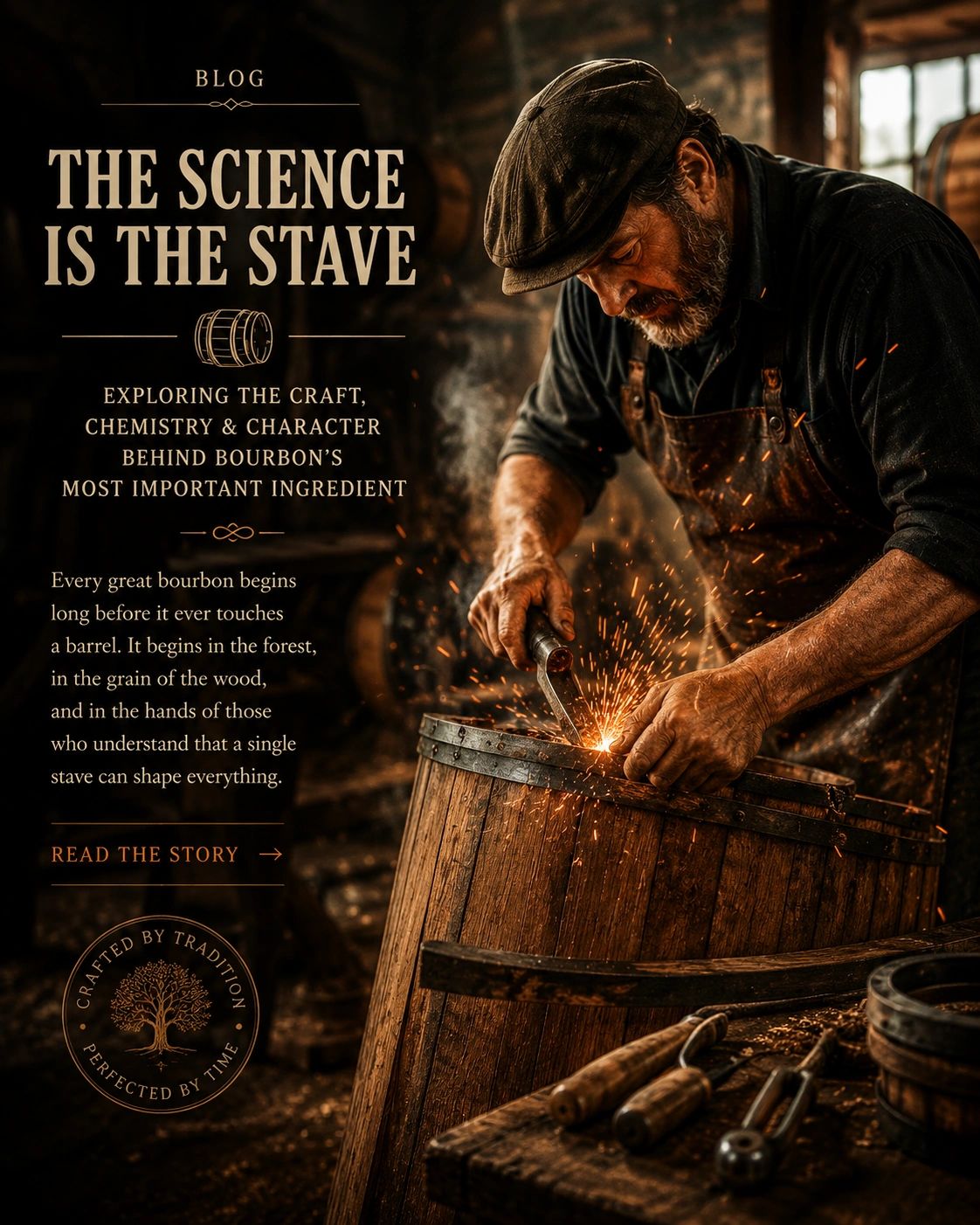
One of the questions I get asked all the time on bourbon tours is this:
“If bourbon is just corn, water, and yeast, why do two bourbons taste completely different?”
The answer is simple.
The barrel.
In fact, most people are surprised to learn that the majority of the flavor in bourbon doesn’t come from the distillation process at all. It comes from years spent inside a charred oak barrel.
When bourbon comes off the still, it’s clear. Distillers call it new make spirit. Around Kentucky you’ll often hear it called White Dog.
And honestly?
It’s not very impressive.
It’s hot, grainy, and rough around the edges. If you’ve ever tasted it straight from the still, you know exactly what I mean. The magic happens later.
The barrel takes that raw spirit and slowly transforms it into something rich, layered, and memorable.
That’s where the real story
## Why Bourbon Uses New Charred Oak
By law, bourbon must be aged in a new charred oak container.
Not a used barrel.
Not a wine barrel.
Not a barrel that’s already held bourbon before.
A brand new barrel.
Most distilleries use American White Oak because it’s incredibly good at two things. It holds liquid without leaking and it contains the compounds that create many of the flavors we love in bourbon.
Vanilla.
Caramel.
Brown sugar.
Baking spice.
Even some of those coconut notes you occasionally find in a bourbon.
The first fill is where the magic happens. After that, the barrel has already given up much of its flavor, which is why used bourbon barrels often end up aging Scotch, rum, tequila, and other spirits around the world.
So the next time someone tells you Kentucky exports bourbon, remind them that Kentucky also exports thousands of bourbon barrels every year.
## Fire Changes Everything
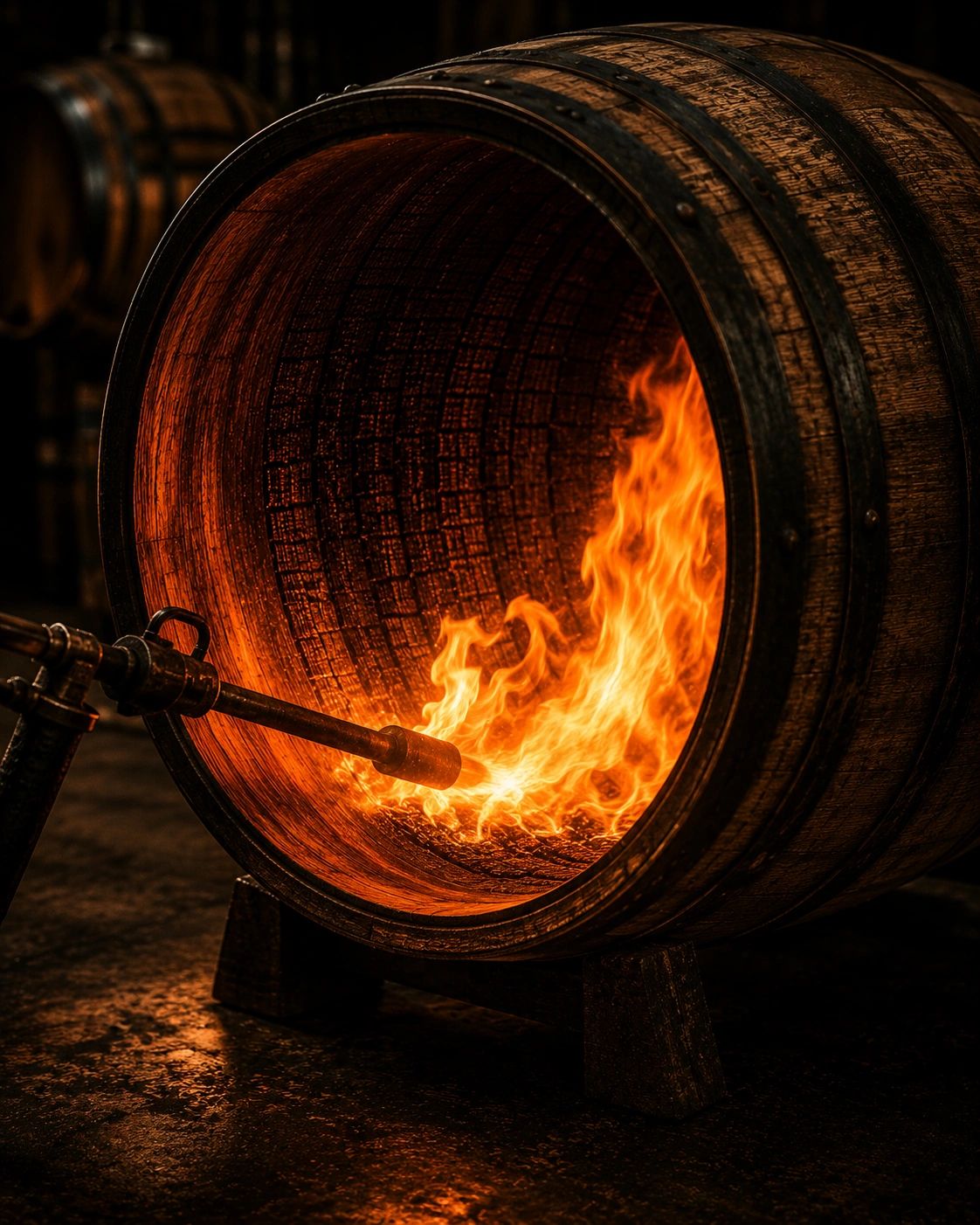
Before a drop of whiskey ever enters the barrel, the inside is set on fire.
But it doesn’t start there.
First comes the toast.
The barrel is slowly heated over an open flame, gently toasting the inside of the wood. This step caramelizes the natural wood sugars and unlocks the compounds that create vanilla, caramel, and baking spice notes.
Think of it like the difference between raw bread dough and a perfectly toasted slice of bread.
Same ingredients. Completely different flavor.
The toasting is where the foundational flavors are born.
Then comes the char.
After toasting, the barrel is set on fire more aggressively to create a layer of charcoal on the inside of the wood.
That’s not a marketing gimmick.
It’s a critical part of bourbon production.
The flames create a layer of charcoal on the inside of the barrel and transform the wood underneath.
Heat converts the wood’s natural compounds into flavors the whiskey can actually absorb.
More caramel.
More vanilla.
More sweetness.
More complexity.
The toasting builds the flavor.
The charring filters and deepens it.
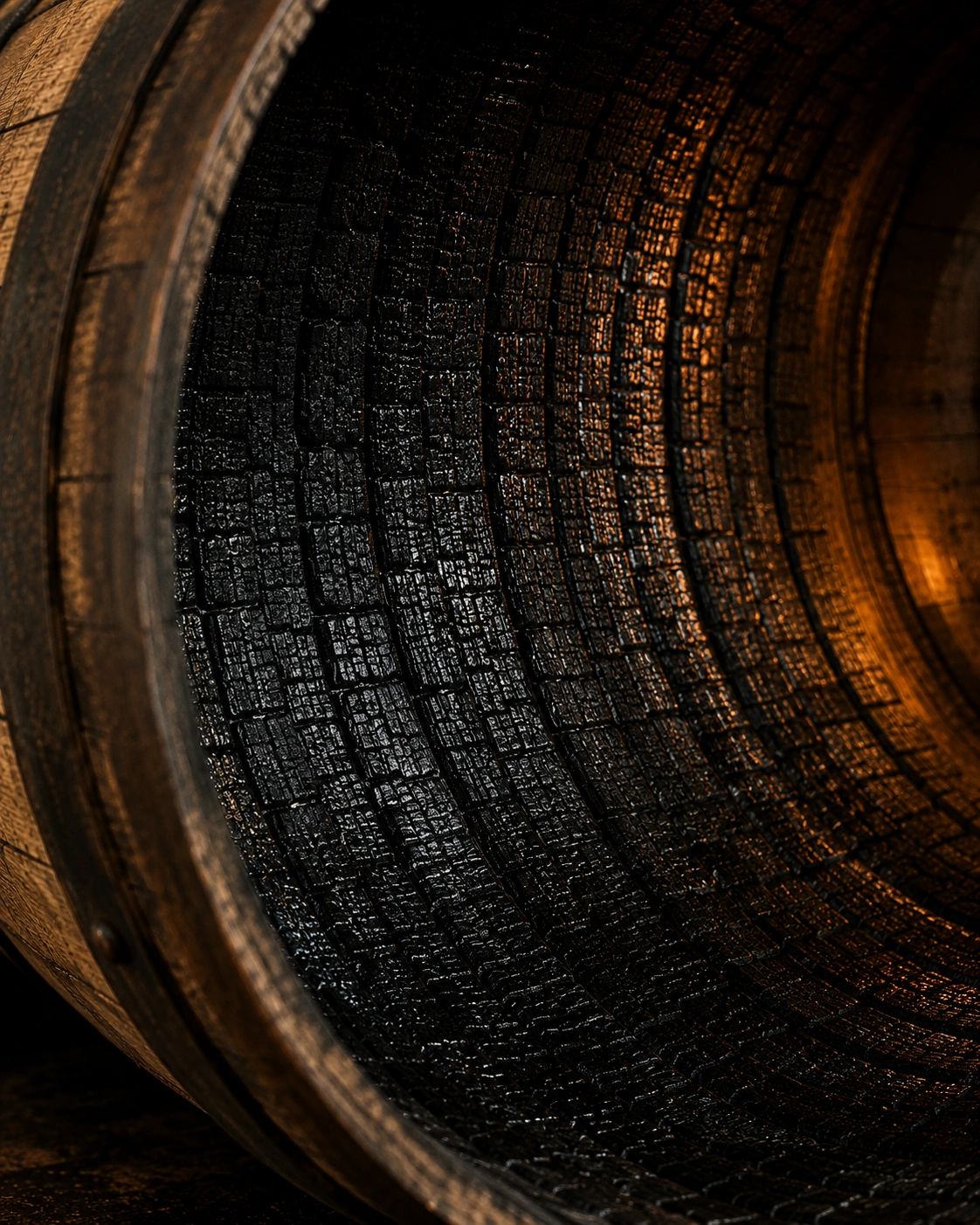
Some distilleries prefer lighter char levels. Others go with the famous Char Number 4, often called the Alligator Char because the inside of the barrel looks like alligator skin.
That heavy char creates a thick layer of carbon that helps filter the spirit while contributing deeper notes of smoke, dark chocolate, tobacco, and spice.
Here’s something I’ve come to believe after years of standing in rickhouses.
The char doesn’t just create flavor. It pulls those flavors forward.
The charcoal layer acts like a magnet. It draws the sugars, sweetness, and complexity toward the surface of the wood. That means the bourbon doesn’t have to spend years soaking deep into the stave to find those flavors.
The char brings the flavor to the party faster.
So a barrel with a heavy char can produce a rich, complex bourbon in less time than a lighter char.
Does that mean every distillery should use Alligator Char? No. Different char levels create different profiles. But the char is doing more work than most people realize.
It’s not just burning the wood.
It’s engineering the flavor.
## The Rickhouse Is Doing More Work Than You Think
Guests are often shocked when I tell them that two barrels filled on the same day can taste dramatically different years later.
How?
Location.
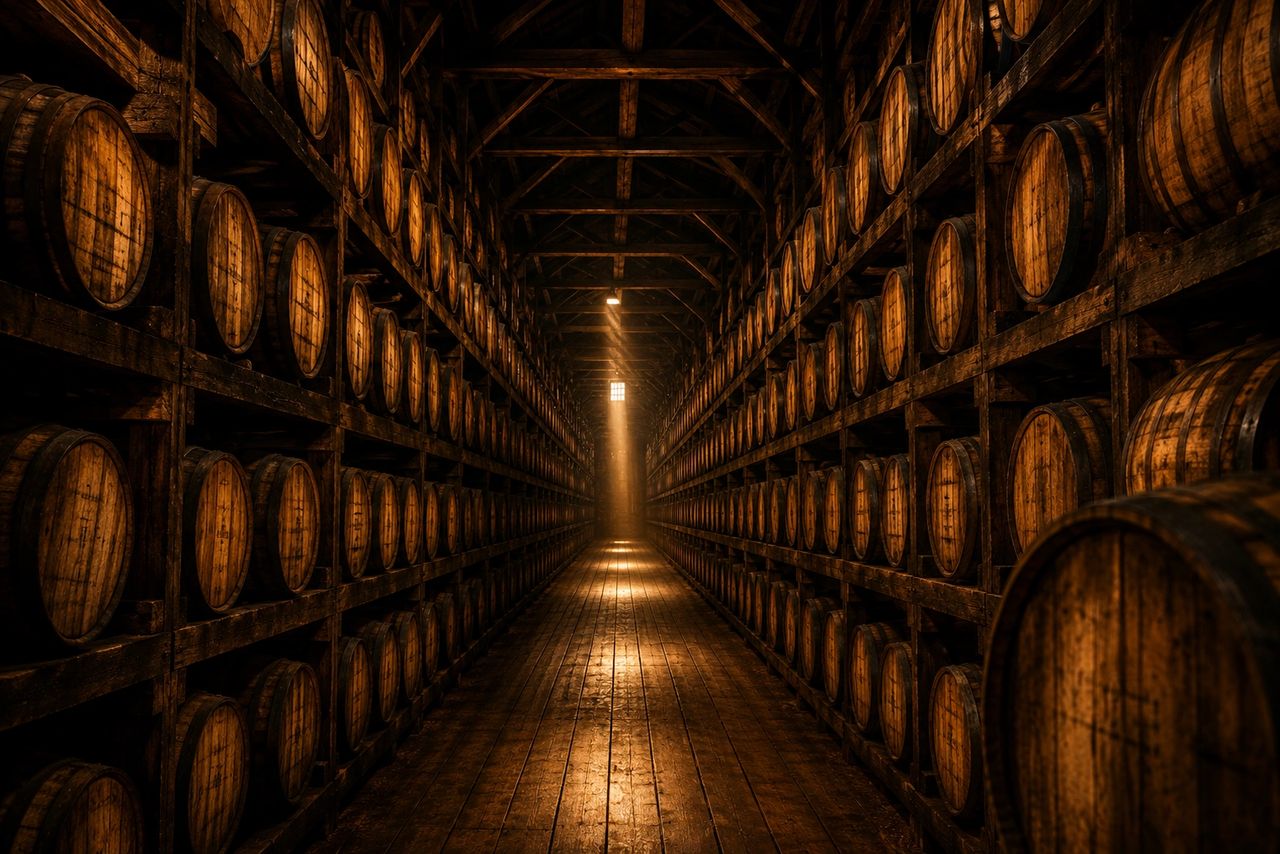
A barrel resting near the top of a Kentucky rickhouse experiences a completely different environment than one sitting near the bottom.
The upper floors get hotter.
Much hotter.
During the summer, temperatures can climb well over 100 degrees.
As the bourbon heats up, it expands and pushes deep into the wood. When temperatures cool, it contracts and pulls those flavors back into the barrel.
Then it does it again.
And again.
Year after year.
Every Kentucky summer and every Kentucky winter becomes part of the whiskey.
That’s why aging isn’t simply about time.
It’s about movement.
The bourbon is constantly traveling in and out of the wood, extracting flavor, color, and character along the way.
## Where Flavor Actually Comes From
When people taste caramel in bourbon, there isn’t caramel in the barrel.
When they taste vanilla, nobody added vanilla.
Those flavors come directly from the wood.
As the spirit moves through the oak, it pulls out compounds that create many of the aromas and flavors we associate with great bourbon.
Caramel and toffee notes come from wood sugars that were transformed during the charring process.
Vanilla comes from lignin in the oak.
Tannins add structure and balance.
Oak lactones contribute woody and sometimes coconut-like characteristics.
The barrel isn’t simply storing the bourbon.
It’s actively creating it.
## Why Distillers Obsess Over Barrel Entry Proof
Here’s a topic most casual bourbon drinkers never hear about.
Barrel entry proof.
Federal law says bourbon cannot enter a barrel above 125 proof.
But many distilleries choose to go lower.
Why?
Because water and alcohol pull different compounds from the wood.
Lower entry proofs tend to extract more sweetness and softer flavors.
Higher entry proofs often pull more spice, oak, and tannin.
It’s one of the many small decisions a distiller makes that can dramatically affect what ends up in your glass years later.
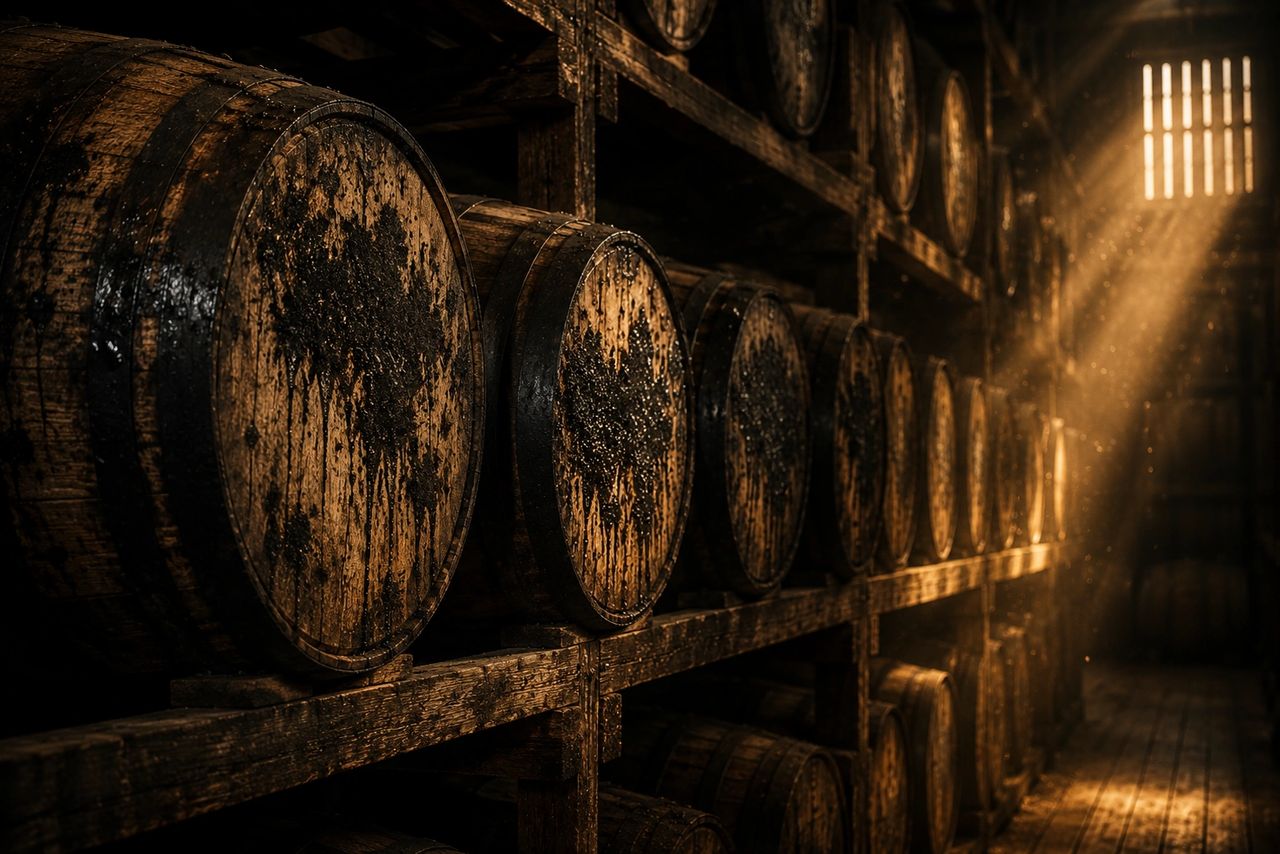
## The Angel’s Share
Of all bourbon traditions, this one may be my favorite.
As bourbon ages, some of it evaporates through the barrel.
Distillers call this the Angel’s Share.
Every year, Kentucky’s dry summers and changing seasons claim a little more.
The distillery loses volume.
The angels get their cut.
And what’s left behind becomes more concentrated and flavorful.
It’s one of the few industries where losing product is considered a good thing.
## The Next Time You Hold a Glass of Bourbon
Take a moment to think about everything that happened before that bourbon reached your hand.
The tree.
The cooperage.
The fire.
The warehouse.
The seasons.
The years spent moving in and out of the oak.
Bourbon isn’t simply made.
It’s transformed.
And the barrel is the reason why.
The next time you’re standing in a rickhouse surrounded by thousands of barrels, remember this:
The distiller may have created the spirit, but the barrel is still finishing the story.

—
**Experience the Science Firsthand**
There’s nothing quite like standing in a century-old rickhouse and seeing thousands of barrels aging around you. At Sipping in the South, we offer guided bourbon tours that take you behind the scenes of Kentucky’s most iconic distilleries. Our Bourbon Academy 201 and 301 programs offer deeper dives into barrel science, char levels, and rickhouse dynamics.
[Book Your Bourbon Tour Today](https://sippinginthesouth.com/)


