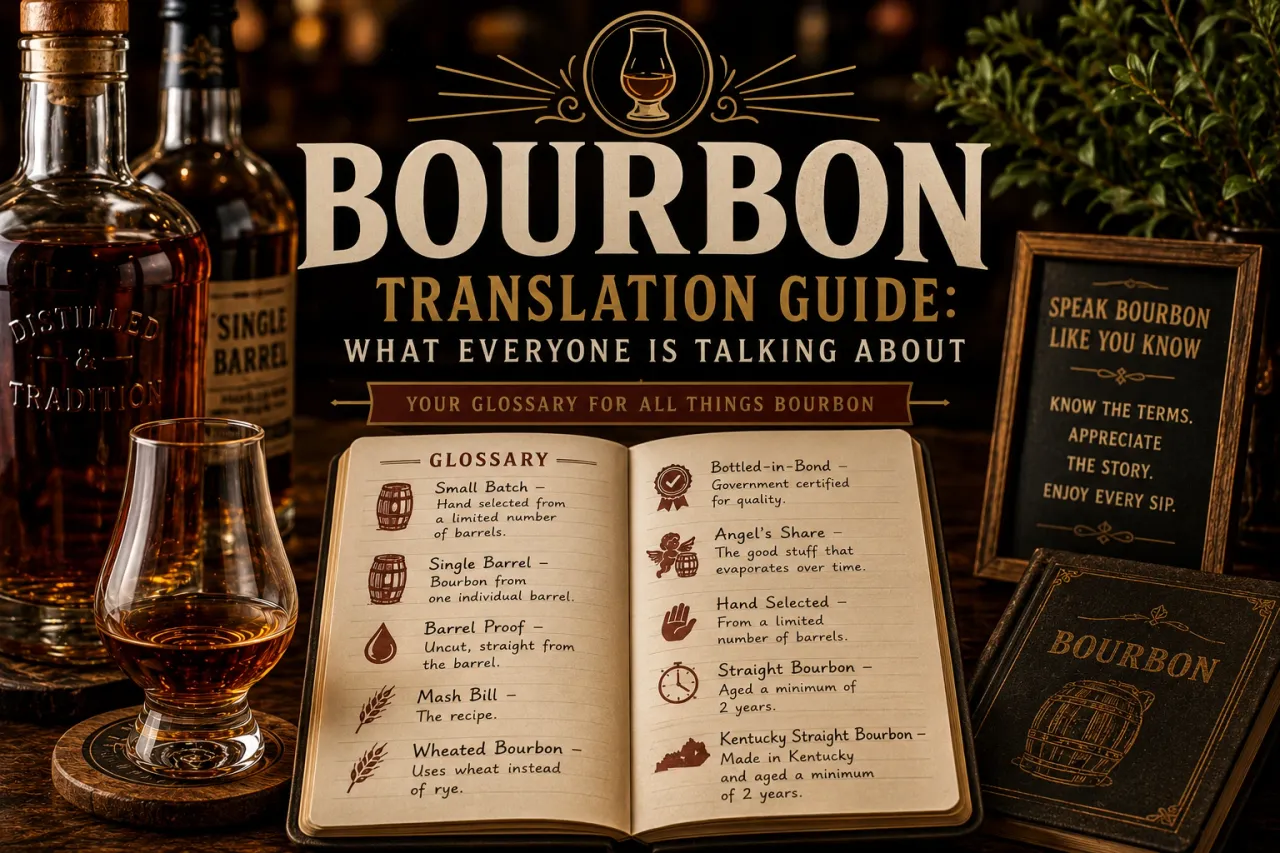
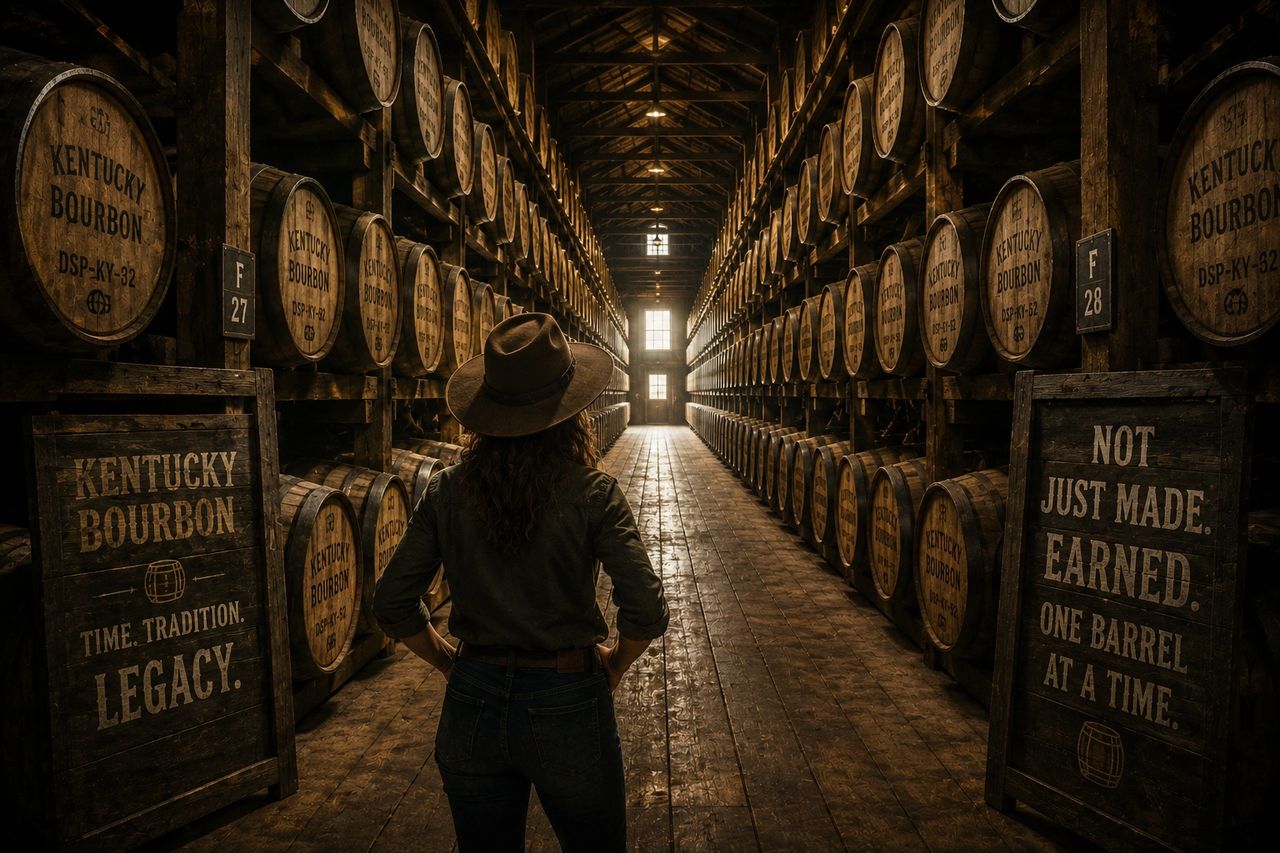
One of my favorite things to do on a bourbon tour is stand at the edge of a rickhouse and look at thousands of barrels aging in front of me.
And I always think the same thing.
How did we get here?
Not to this building. But to this moment. To bourbon becoming something people travel across the world to experience.
The answer goes back further than most people realize.
You
## The Frontier and the Baptist Preacher
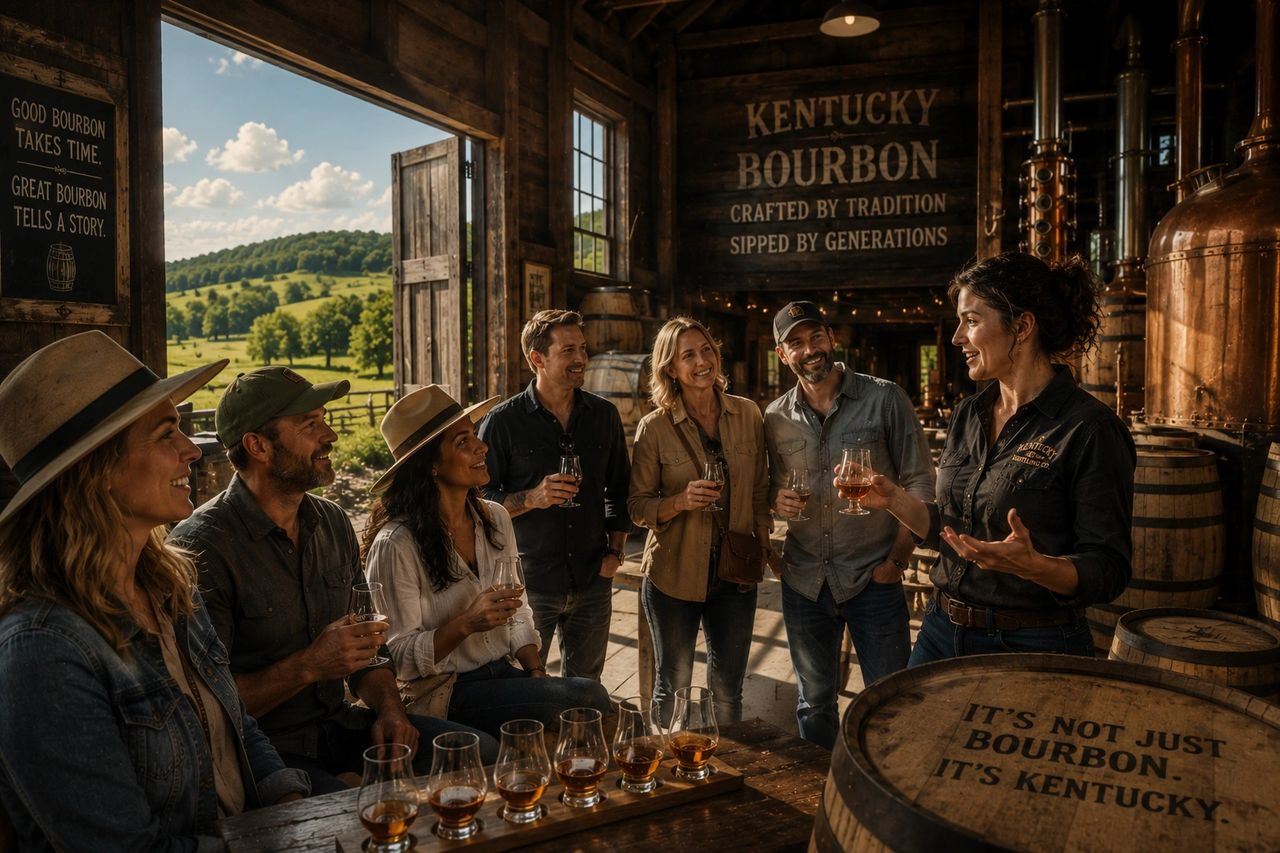
Back in the late 1700s, Kentucky was the wild frontier.
Scots-Irish and German settlers brought their copper stills with them. They had corn. Lots of it. But corn was heavy and difficult to move over the mountains.
So they turned it into whiskey.
Lighter. More valuable. Much more fun to trade.
You’ve probably heard the name Elijah Craig. Baptist minister. Georgetown, Kentucky. Legend says he invented bourbon by accidentally charring barrels in a fire.
Is it true?
Probably not.
Most historians believe charring barrels was already a common practice. It may have started as a way to clean and prepare barrels before use. But Elijah Craig was a remarkable businessman and an important figure in Kentucky whiskey history.
And let’s be honest.
We like the legend.
It adds flavor.
## The River That Made Bourbon Famous
Here’s something most people don’t know.
The name Bourbon didn’t become famous because of a recipe. It became famous because of trade.
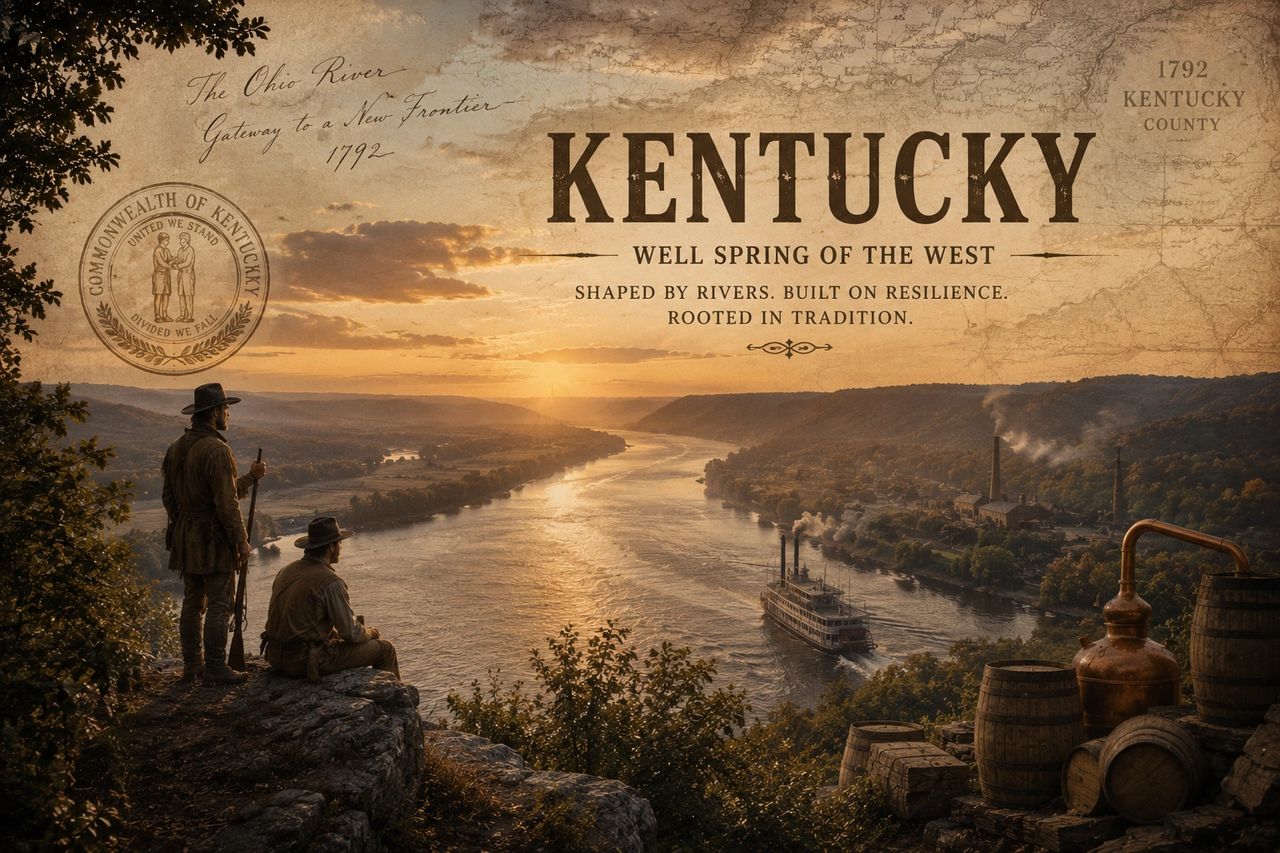
In the early 1800s, whiskey from the Bourbon County region was shipped through Kentucky river ports and sent down the Ohio and Mississippi Rivers toward New Orleans.
That journey took months.
The rocking of the boat.
The heat of the sun.
The expansion and contraction inside those charred oak barrels.
Month after month, the whiskey continued to change.
By the time it arrived in New Orleans, it was different from the spirit that had left Kentucky. The color was deeper. The flavors were richer. The rough edges had softened.
People stopped asking for whiskey from Kentucky.
They started asking for “that whiskey from Bourbon.”
Over time, a region became a brand.
## Prohibition Nearly Killed It
Then came 1920.
Prohibition.
The Noble Experiment nearly destroyed the American whiskey industry. Distilleries closed. Warehouses emptied. Equipment was sold for scrap.
But a lucky few survived through a loophole that sounds almost unbelievable today.
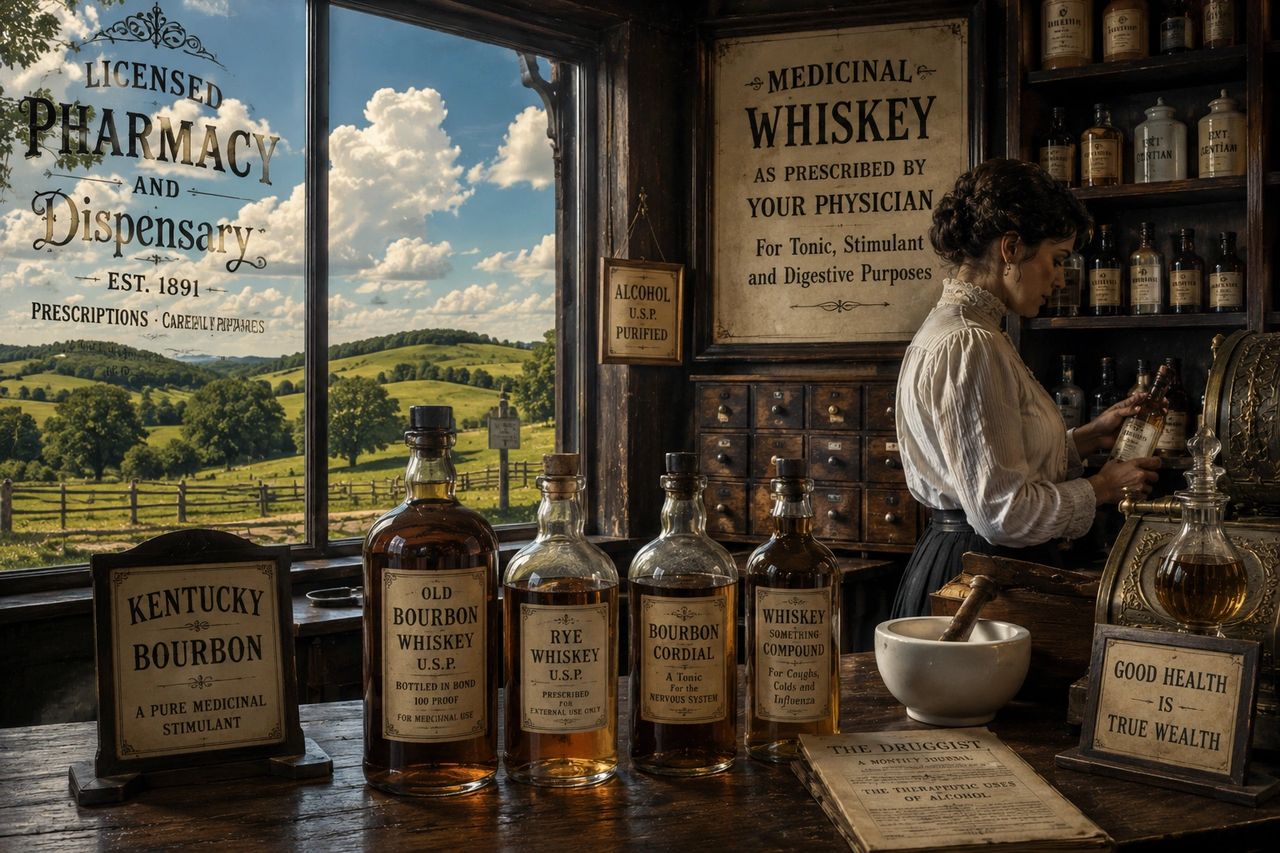
Medicinal whiskey.
The federal government granted only a handful of permits allowing certain companies to bottle and sell whiskey for medicinal purposes. If you had a doctor’s prescription, you could legally purchase bourbon from a pharmacy.
Companies such as Brown-Forman and A. Ph. Stitzel survived by supplying medicinal whiskey during those difficult years.
They didn’t make whiskey.
They made medicine.
## The Slump and the Comeback
After World War II, bourbon was booming.
It was America’s drink.
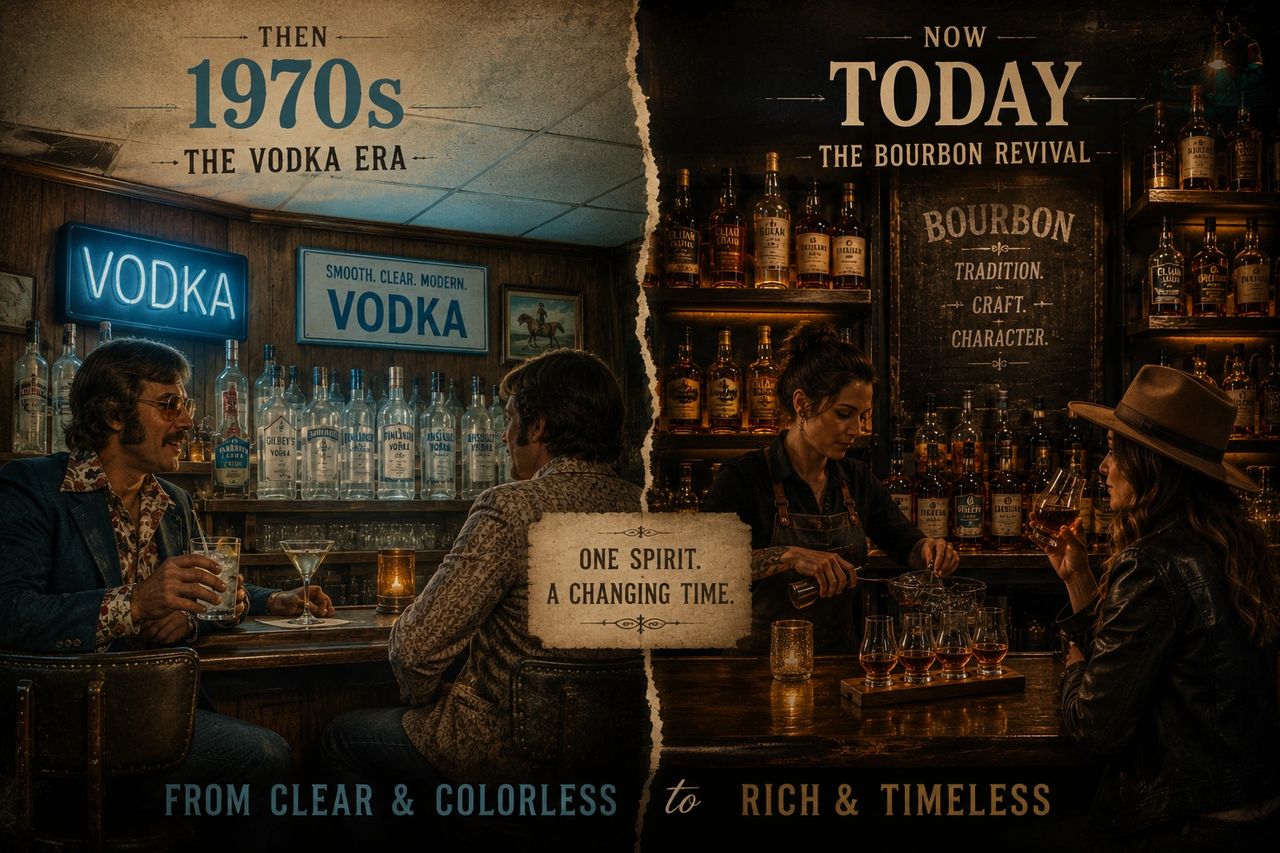
Then came the 1970s and 1980s.
Consumer tastes shifted toward vodka and other clear spirits. Bourbon began to feel old-fashioned. Sales declined and many wondered if the industry would ever recover.
But Kentucky doesn’t give up easily.
In the 1990s and early 2000s, distillers stopped trying to compete with vodka and started leaning into what made bourbon special.
The craftsmanship.
The patience.
The heritage.
Small batches. Single barrels. Family stories. Historic brands.
People began to rediscover what Kentucky had known all along.
Bourbon wasn’t old-fashioned.
It was timeless.
Today, we are living through a true Bourbon Renaissance. Visitors travel from around the world to see the limestone springs, walk through aging warehouses, and learn the stories behind every bottle.
## Why Every Barrel Tells a Story
When guests walk into a rickhouse, they usually see barrels.
What I see is time.
Every barrel represents years of waiting, thousands of seasonal temperature swings, and generations of people who believed Kentucky whiskey was worth preserving.
Bourbon isn’t just made.
It’s inherited.
Every barrel carries the work of farmers, coopers, distillers, warehouse workers, and master distillers who came before.
That’s part of what makes standing inside a rickhouse so powerful.
You’re not just looking at whiskey.
You’re looking at history still being written.
## Why Kentucky?
You can legally make bourbon anywhere in the United States.
But more than 95 percent of the world’s bourbon is produced right here in Kentucky.
Why?
It’s the water. Kentucky’s limestone shelf naturally filters out iron while adding minerals that help support fermentation.
It’s the climate. Hot summers and cold winters push the whiskey in and out of the wood, helping create the rich flavors bourbon is known for.
But mostly?
It’s the people.
No Families like the Beams, the Noes, the Samuels, and the Russells kept the tradition alive through good times and bad.
They protected the craft when trends changed and the rest of the world moved on.
And because they did, bourbon is stronger today than ever before.
## Experience the History Yourself
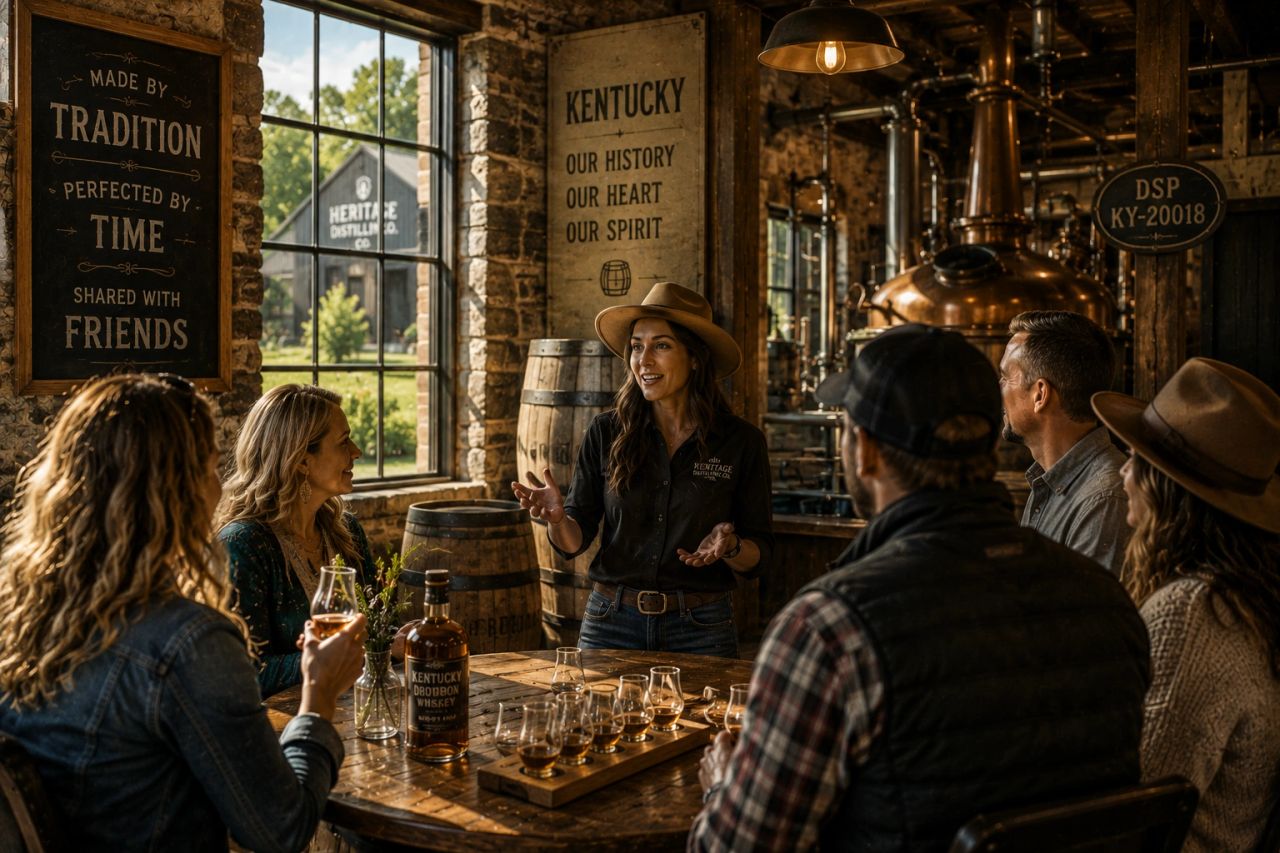
Reading about bourbon history is one thing.
Standing inside a century-old rickhouse and tasting that history for yourself is something else entirely.
At Sipping in the South, we take guests beyond the tasting room and into the stories that shaped Kentucky’s most famous spirit.
Whether you’re a history buff, a bourbon enthusiast, or simply curious about what makes Kentucky special, I’d love to show you the real story behind the bourbon.
Because every bottle has a history.
And every great bourbon experience starts with a story.
[Book Your Tour](https://sippinginthesouth.com/)